
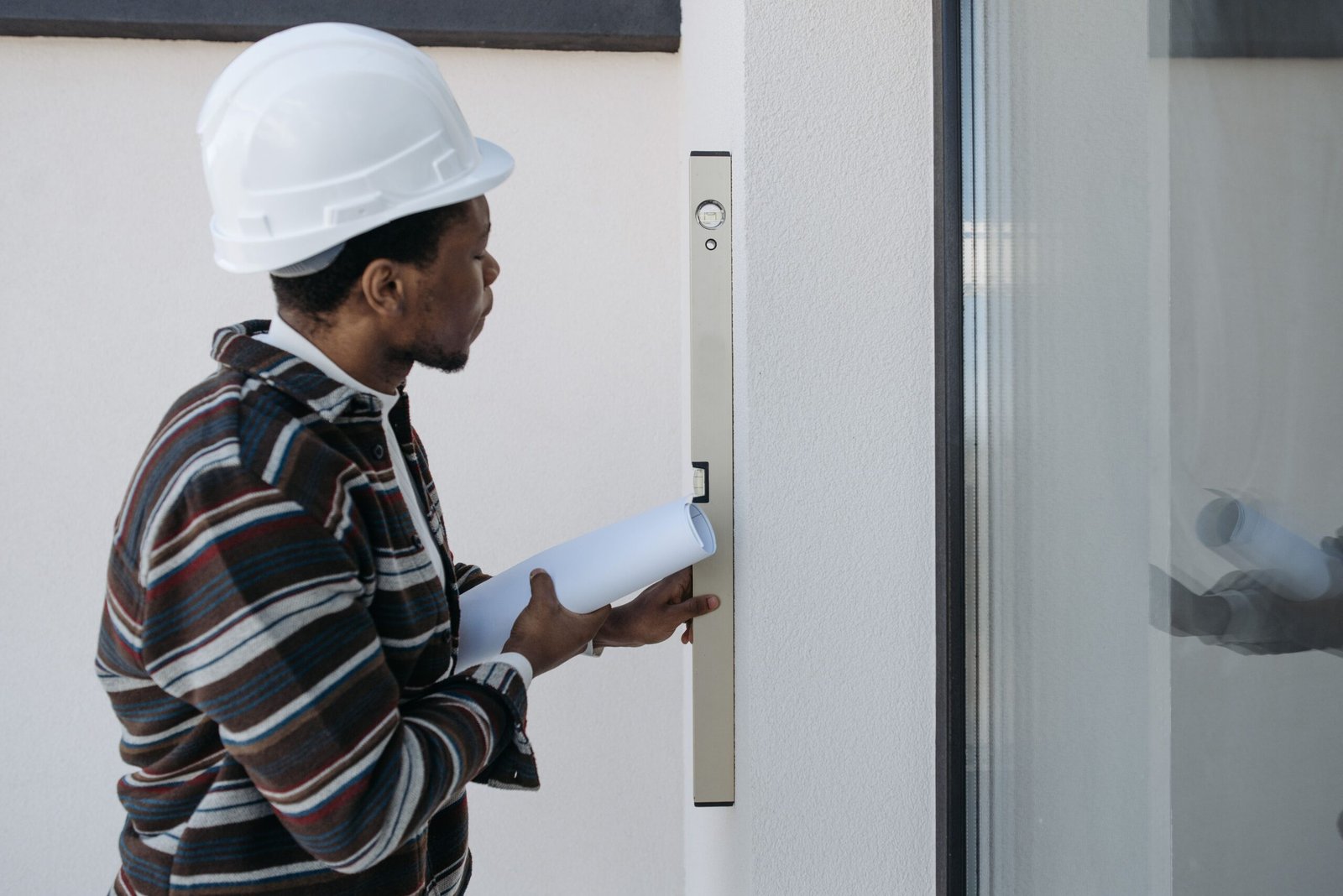
You approve a repair and receive the completion photo. The invoice is closed. Then the same ceiling stain returns. The same flat feels warm again. The same drain blocks for a fourth time. Sound familiar?
Repeat faults are frustrating because every visit appears to solve something. The contractor attended and may have changed a part. The area looked fine when the job was closed. Yet the building keeps sending you the same message.
That usually means the first response dealt with what people could see while the underlying cause stayed in place. Good building maintenance connects each complaint to the asset history and checks the diagnosis. It also tests whether the repair lasts. Once those habits become routine, familiar problems become easier to investigate and far harder to ignore.
This guide answers four questions that owners regularly search online. Along the way, you will learn how to spot a temporary fix and what to ask a contractor. You will also see when a repeated repair should become a replacement decision.
- Review fault history before approving another repair.
- Record why the fault happened and how it was confirmed.
- Check later that the repair lasts.
What is building maintenance?
Building maintenance is the work that keeps a property safe, usable, comfortable and presentable throughout its life. It covers urgent repairs, planned servicing, routine inspections, cleaning, testing, minor improvements and future replacement planning.
Think of it as the operating system behind the building. A technician may repair an AC unit today, while the wider building maintenance process identifies the failed unit and its cause. It also stores the readings with the asset’s earlier history. That record gives the next person a useful starting point.
A full programme may cover air conditioning, electrical installations, plumbing, drainage, pumps, lifts, fire safety equipment, roofs, façades, waterproofing, access systems and shared areas. Daily teams can handle some tasks. Licensed specialists are needed for others.
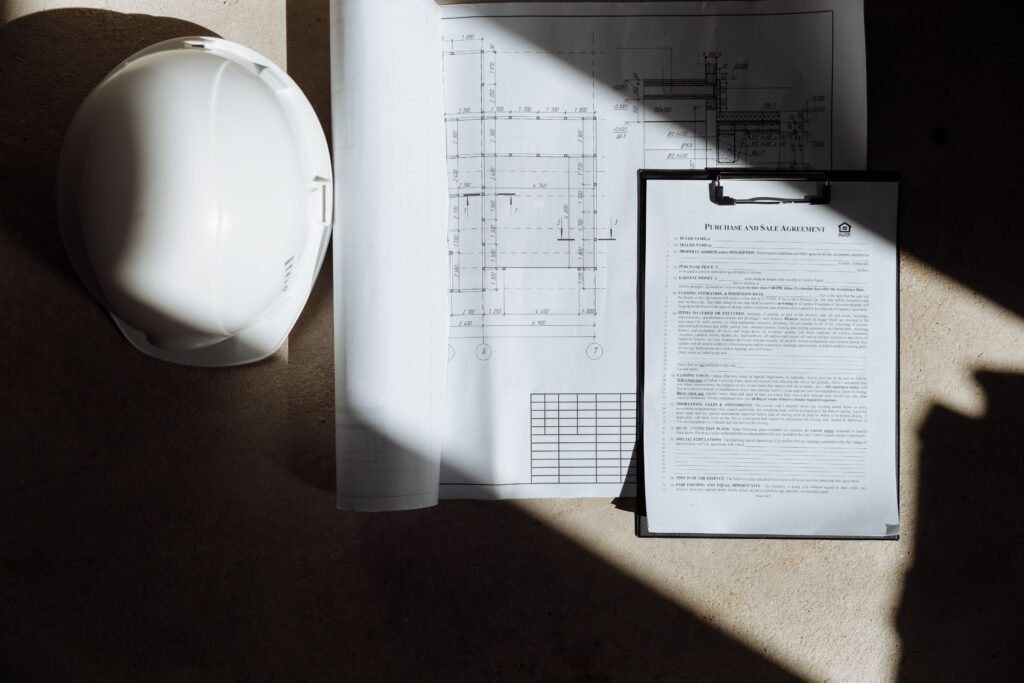
The ISO 41001 facility management standard treats facility management as a system designed to deliver services consistently and support an organisation’s objectives. For a building owner, this means setting responsibilities, keeping records, reviewing performance and improving the process when a fault exposes a weakness.
Which type of maintenance are you using?
- Reactive maintenance begins after an asset has failed or an occupant reports a problem.
- Corrective maintenance deals with a defect found during an inspection before total failure occurs.
- Preventive maintenance follows a schedule shaped by manufacturer guidance, building use, risk and local conditions.
- Condition based maintenance uses readings and inspection results to decide when action is needed.
- Lifecycle maintenance plans refurbishment or replacement when repairs stop making financial or technical sense.
Most buildings need a mix of all five. Trouble starts when complaints become the main source of information. By the time an occupant sees water, smells damp or loses cooling, the fault may already have affected other areas. Planned building maintenance checks give the property another way to speak up.
The contract matters too. Under Dubai Law No. 26 of 2007, the landlord is generally responsible for maintenance work and defects that affect the tenant’s intended use during the lease, unless the parties have agreed otherwise. Tenants also have duties to care for the property. Clear lease terms and agreed access procedures help both sides respond faster when a fault appears.
When does a fault become a recurring problem?
One repeat does not always mean a contractor failed. Some faults need observation after the repair, and a second symptom may come from a different source. A pattern becomes concerning when the same asset, location or symptom returns within a reasonable review period and nobody can explain why.
Choose a review period for each system. An AC complaint that returns within 30 days may trigger an investigation. A waterproofing issue might need to be tracked across the next rainfall or cleaning cycle. The rule should be simple enough for the site team to apply every time.
Why does the same building maintenance problem return?
Start with the work order. Does it tell you what the occupant noticed, or does it explain what caused the problem? Those are two different levels of information. Recurring building maintenance faults tend to survive in the gap between them.
1. The ticket records the symptom
“Water stain in bedroom” identifies a place. It does not identify a source. Water may be travelling from a pipe joint, a roof detail, a façade opening, a neighbouring unit or a condensate line. Repainting the ceiling makes the room look better. Moisture can still be moving above it.
Ask one extra question before the quote is approved: What evidence connects the proposed repair to the source of the water? If the answer is vague, the scope may be premature.
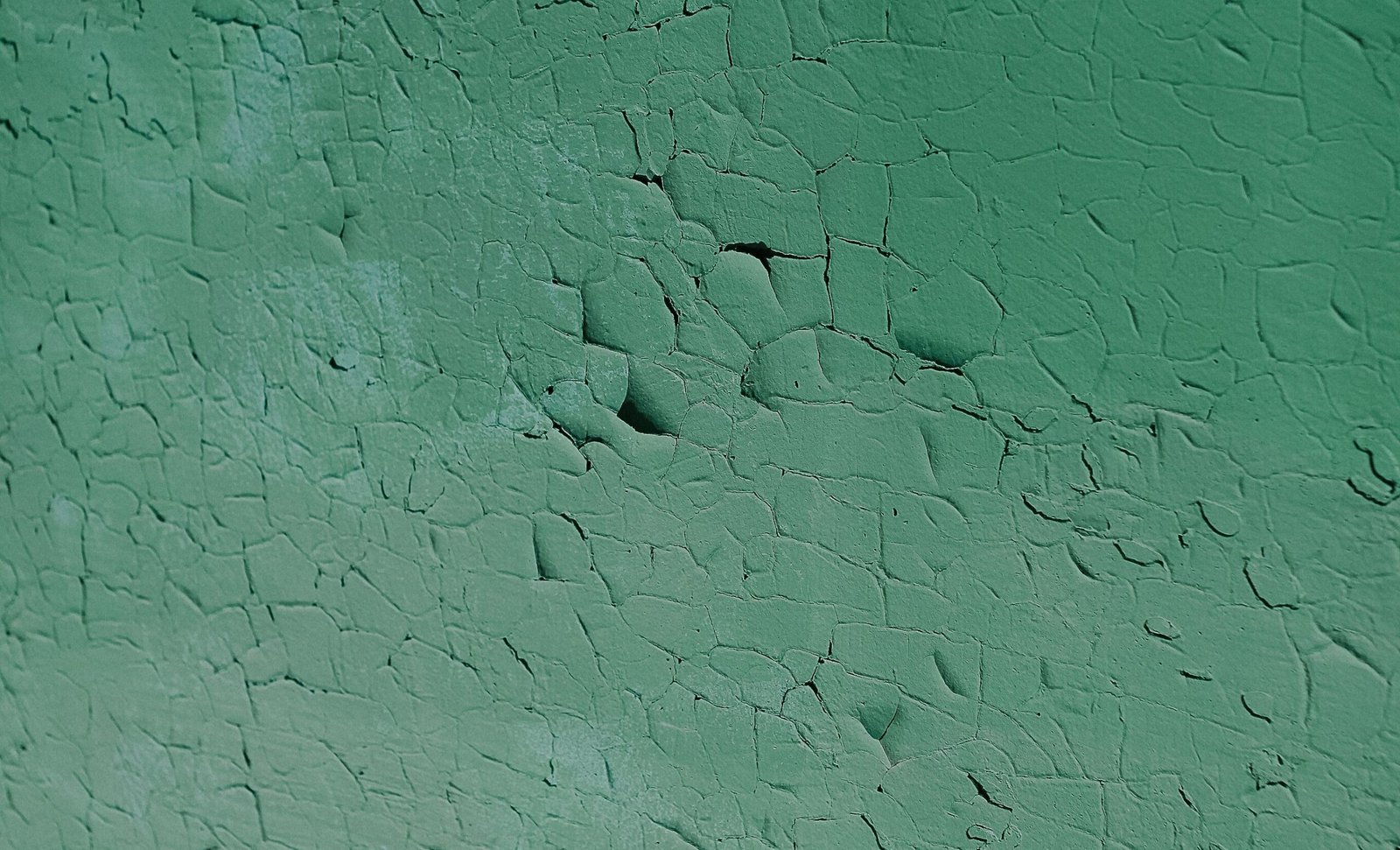
2. The first visit only makes the area safe
Urgent containment is often the right first action. The team may stop a leak or isolate unsafe equipment. That protects occupants and limits damage. Restoring full operation may require more testing, a new scope or access to another area.
The risk appears when the emergency ticket is marked as fully resolved. Record containment and permanent correction as separate stages. Keep the investigation visible until the cause is dealt with.
3. The building has no shared memory
Maintenance requests often arrive through calls, WhatsApp messages, email threads and conversations on site. A new technician may have no idea that two other teams worked on the same pump last month. The latest invoice then looks like the first incident.
Give each asset and location a consistent name. Record the fault, diagnosis, readings, repair, parts used, cost, contractor and warranty. When that history is searchable, repeat building maintenance becomes obvious much sooner.
4. The quote comes before the diagnosis
Owners understandably want a price quickly. Contractors may respond with a familiar repair because it is easy to quote. A drain gets cleared without checking the line. Refrigerant is added without finding the leak.
For a repeat fault, ask for a written diagnosis before approving the same task again. The contractor should explain what was tested and why the proposed method is likely to last.
5. Completion is measured by activity
A photo of a tidy work area proves that somebody attended. It may tell you very little about performance. The right check depends on the fault. A drainage job may need a flow test, while an AC repair needs operating readings. Moisture work may need time to dry before the finish is restored.
Who signs off the result? For important or recurring work, use a supervisor or independent specialist who did not carry out the repair. Add a follow up check when the fault may take days to reappear.
6. The building keeps recreating the condition
Daily use can place more demand on a system than the maintenance plan assumes. Unrecorded occupants affect cooling, drainage, lifts and shared facilities. Blocked access can prevent proper servicing. Cleaning practices may push waste into drains or leave plant areas difficult to inspect.
Age matters as well. An old control board, failing pump, damaged membrane or corroded pipe may have reached the point where another patch offers poor value. Review the condition, repair history, downtime, safety exposure and expected remaining life. That evidence makes the building maintenance decision easier to defend.
A quick way to read the warning signs
Visible issue | Weak response | What the owner should require |
|---|---|---|
| Ceiling stain returns | Patch and repaint | Trace the moisture source, repair it, allow drying, then restore the finish |
| AC loses cooling again | Recharge or reset | Record readings, find the source of the failure and assess the component condition |
| Drain keeps blocking | Clear the blockage | Inspect the line, review how it is used and decide whether a permanent correction is needed |
| Pump trips repeatedly | Restart the pump | Identify the trip condition, inspect connected controls and review the repair history |
The same fault again?
See how FAMA coordinates inspections, maintenance and owner reporting across a building.
Why is building maintenance important?
Why worry about a small leak or a slow drain if the repair is cheap? Because the first invoice rarely shows the full cost of recurrence. Owners also pay for repeated access, damaged finishes, occupant disruption, supervision time and emergency callouts. A familiar fault can quietly consume far more than one well scoped repair.
Planned building maintenance gives you time to choose. The RICS planned preventative maintenance standard explains how condition information helps clients plan the investment needed to keep building elements performing as intended. That information supports decisions about immediate repairs, monitoring and future capital work.
It helps you protect the building’s condition
Buildings usually lose condition gradually. Moisture spreads. Vibration loosens components. Seals wear. Corrosion develops behind finishes. Regular building maintenance makes those changes visible while the scope is still manageable.
Early evidence also helps you decide whether two complaints are connected. A stain on one floor and peeling paint below it may belong to the same water path. Separate tickets can hide that relationship.
It gives you better cost control
Preventive work should be targeted. Use condition, service requirements, risk and repair history to decide when to act. You can then group planned tasks, reduce avoidable emergency premiums, compare spend by system and budget for replacement before a critical asset fails.
Track the cost of the whole problem, including every callout and the damage caused while the fault remained open. That number is much more useful than the price of the latest visit.
It makes responsibility clearer
Occupants report sooner when they know exactly where to send a request and can see that action follows. Contractors work better when the asset history and approval route are clear. Owners gain visibility when every inspection and repair enters the same record.
This is why effective property management in Dubai should include operational records alongside tenancy administration. A dated history helps with vendor reviews, tenant discussions, insurance queries, audits and future sale due diligence.
How can owners stop repeat maintenance problems?
A useful building maintenance process can stay simple. It needs a repeatable route that prevents a familiar fault from disappearing into the everyday queue. Use the following process the next time a problem comes back.
- Set a repeat fault trigger: Define the symptom, asset or location that will prompt a review. Add a time window that suits the system and its risk.
- Use one asset name everywhere: Record the building, floor, unit, room and equipment reference. Technicians should be able to find the full history without guessing which description was used last time.
- Record the immediate action. If the team stops water or restores cooling, label that work as containment. Keep the permanent correction visible as a separate open action.
- Read the history before requesting a quote. Review earlier diagnoses, readings, parts, costs, warranties, photographs and contractor notes. This avoids paying for a method that already failed.
- Ask for a diagnosis you can understand. The proposal should state the likely cause, the tests completed, the proposed correction and the consequence of delay. Bring in an independent specialist when the evidence remains unclear.
- Choose the right closeout test. Match the test to the fault and keep the result. Schedule a later inspection if normal use or weather conditions are needed to confirm success.
- Update the maintenance plan. A resolved fault should change something. You may adjust the inspection frequency, service scope, operating guidance, vendor instruction or replacement forecast.

What should a building maintenance dashboard show?
A building maintenance dashboard full of closed tickets can still describe a property with poor outcomes. Look for measures that tell you whether repairs last. Track repeat fault rate, first visit resolution, full resolution time and overdue work. Add downtime, planned work share, spend by system, warranty recovery and the age of unresolved high risk items.
You should also be able to open the headline and see the evidence underneath. For example, click on recurring AC faults. You should find the affected units and dates. The record should include the relevant asset, its readings and the diagnosis. Costs and next actions should be visible too. If the detail is missing, the dashboard is counting activity without helping you control it.
Is building maintenance tax deductible in the UAE?
The answer can be yes in some circumstances. It depends on the owner’s legal structure, how the property earns income and whether the work is a routine business expense or a capital improvement.
For a company or another taxable business, the Federal Tax Authority’s Determination of Taxable Income guide says expenditure generally needs to be incurred wholly and exclusively for the business. It must also be non-capital in nature to qualify for an immediate Corporate Tax deduction. A repair that restores normal operation may receive different treatment from an improvement that creates a lasting new benefit.
Capital expenditure is generally not deducted immediately. Depreciation on a qualifying capital asset may be deductible according to the applicable accounting and tax treatment. The classification depends on what the work actually achieved, so the invoice description matters.
Individual owners may face a different position. The FTA Real Estate Investment for Natural Persons guide explains that qualifying real estate investment income earned by a natural person can fall outside Corporate Tax. This can apply when the activity is not conducted, or required to be conducted, through a licence. Related expenditure is also outside the Corporate Tax deduction calculation when the income is excluded.
Keep the approved scope, invoice, proof of payment, photographs and a clear description of the result. Ask a UAE tax adviser to review the owner’s structure and activity before you claim a deduction. This section provides general information and does not constitute tax advice.
How do you choose among the top building maintenance companies in Dubai?
There is no official universal ranking of the top building maintenance companies in Dubai. The best fit depends on your building, the systems involved, the level of risk, occupancy and how much operational control you need.
A large facilities company may suit a complex portfolio. A technical specialist may be the right choice for one regulated system. Owners of full residential buildings may need a building operator who coordinates access, inspections, occupancy, vendors and reporting across the property.
Start with the basics. Confirm the company’s trade licences, insurance, scope and experience with comparable buildings. Ask which work is completed in house and which work is subcontracted. For regulated systems, check the required specialist approvals before appointment.
Try the recurring fault test
Choose one real problem from your building and ask each provider to talk you through it. A strong answer should cover the history they would request, the tests they would carry out, the person who approves the scope and the evidence needed for closure.
Use these questions during the conversation:
- How do you identify and escalate a repeat fault?
- Can one system show every asset, location, diagnosis, repair, cost and warranty?
- What evidence must be present before a work order is closed?
- How do you record emergency containment and permanent correction separately?
- Who reviews the scope and checks the contractor’s result?
- How do manufacturer guidance, risk, condition and building use shape preventive tasks?
- Which services are included in the annual contract, and which carry an extra charge?
- How are missed response or resolution commitments escalated?
- Can the owner see repeat fault rates, unresolved risk, spend by system and replacement recommendations?
- Can you share a relevant example where diagnosis or an operating change reduced recurrence?
Pay attention to what happens before the provider gives you a price. A quote produced without a site review or useful history may be based on assumptions. Vague invoices, repeated replacement of the same small part, refrigerant top ups without a documented diagnosis and reports focused only on ticket speed also deserve scrutiny.
Do you need a maintenance contractor or a building operator?
A maintenance contractor completes a defined technical task. A building operator coordinates the conditions around that task, including inspections, occupant reports, access, lease responsibilities, vendor work, compliance records and owner decisions.
Recurring problems often sit between these responsibilities. The technician may need access that was never arranged, or the repair may depend on an occupancy rule that nobody enforces. Another contractor will have limited impact if the coordination gap remains.
For full buildings and workforce accommodation, one operating structure can keep reporting consistent and coordinate access across occupied units. It can also track shared assets over time. FAMA’s approach for property owners explains how inspections, preventive scheduling and performance visibility fit into its asset protection model.
How FAMA helps owners gain maintenance control
FAMA operates workforce and corporate accommodation across full buildings and floors. Its operating model links controlled occupancy with scheduled inspections, maintenance coordination, escalation routes and structured owner reporting.
Why does that help with recurring faults? The technical team gets clearer information about who is using the building and how access can be arranged. Inspections create another route for finding problems early, while the owner receives a documented chain from the first report to the final check.
You can read more about how FAMA operates and the way its teams manage building condition across workforce accommodation.
Have a question about responsibilities or repairs? The FAMA FAQs cover the operating model from an owner’s point of view.
Your final check before approving another repair
When the next familiar fault lands in your inbox, pause before approving the same scope. Ask:
- Where else has this symptom appeared?
- What evidence supports the diagnosis?
- Was the first response containment or a permanent correction?
- Has the earlier repair and warranty history been reviewed?
- Could occupancy, access, cleaning practices or daily use be contributing?
- Is the asset still economical to repair?
- How will the completed work be tested?
- When will the area be checked again?
- What will change in the future building maintenance plan?
A building needs a memory. Once every recurring problem is linked to its history and reviewed as a pattern, owners can stop paying for the same assumption again and again.
Before you approve another repeat repair
If repeat repairs are making it difficult to see what is really happening across your property, request a private building review. FAMA can assess the operating picture and explain whether a more controlled building maintenance structure would suit the asset.

Dubai Property Management and Corporate Leasing
Discover how corporate leasing can help Dubai property owners reduce tenant turnover, improve accountability, manage maintenance more effectively, and protect the long-term value of their buildings.

7 Reasons to Choose Dubai Property Investment in 2026
Explore why Dubai continues to attract property investors in 2026, from strong market growth and global demand to diverse investment opportunities and the importance of smart property management.