
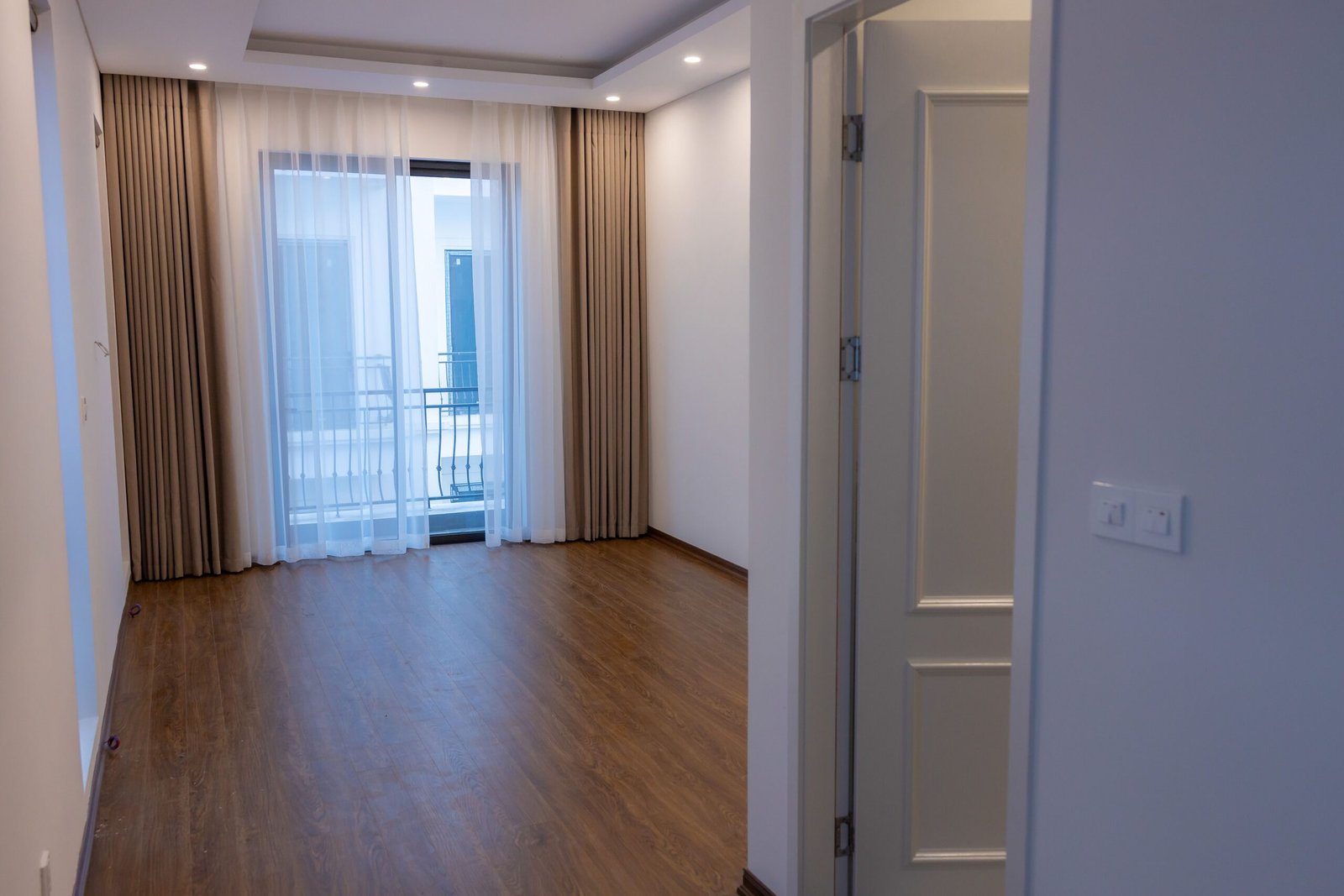
A higher rent looks good on a lease agreement. It feels less impressive when the apartment has spent weeks empty before that agreement begins.
During those weeks, you’re still approving repairs, answering your agent’s calls and paying the expenses that keep the building running. By the time a new tenant collects the keys, part of the year’s return has already disappeared.
That’s why your tenant turnover rate deserves a place beside the annual rent figure. It helps you understand how often tenancies change and where the work of finding replacements starts.
If you’re a building owner considering leasing, start with what your property earns after those interruptions. You’ll have a clearer basis for comparing an offer, discussing responsibilities and deciding whether the arrangement suits your building.
Keep your latest lease schedule nearby as you read. A few checks against your own records will tell you more than an attractive headline rent.
Measure the turnover behind your rental income
Tenant turnover is the departure of a tenant and the process of preparing the property for the next tenancy. It can follow a lease expiry or an earlier, lawful ending of the agreement.
You’ve probably dealt with the practical steps: inspecting the unit, agreeing on repairs and organising the next tenancy. A quick handover still takes work. A delayed one adds lost income to the task list.
For a building with a stable number of units, Wall Street Prep’s unit-based turnover method gives you a useful annual measure:
Tenant turnover rate = Unit move – outs during the year ÷ Total rental units × 100
Your vacancy rate answers a different concern. It measures the share of space or time that is empty. Wall Street Prep explains vacancy and occupancy measures, including calculations for a particular date and over a year.
Read the figures together. A building can experience frequent departures and fill the units quickly. Another can have fewer departures but lose substantial income from one stubborn vacancy.
Try this with your records: pick the last completed year and mark every tenancy that ended. Beside each one, write when the next chargeable tenancy started. You’ll begin to see whether your problem is frequent departures, slow preparation or a long search for replacements.
Use one register for the building and keep dates consistent. If different agents count departures differently, the tenant turnover rate can move without anything changing on site. Agree the definitions once, then use the same basis when comparing periods or reviewing a manager’s performance. Record the tenant’s stated reason for leaving too.
Count what an empty unit really costs
The cost of vacant rental property in Dubai starts with the rent you couldn’t collect. Repairs and other expenses then affect how much of the remaining income you keep.
Before putting everything into one total, separate the amounts. Vacancy loss is foregone rent. Painting, cleaning and letting fees are expenses. Keeping them distinct helps you see what changed and prevents the same cost appearing twice.
How much is vacancy costing you?
Estimate how much rental income you may be losing during vacancy.
Keep unpaid rent separate from vacancy loss. An occupied apartment with overdue rent creates a collection problem, while an empty apartment creates a letting problem. Combining them can send you towards the wrong solution and make the underlying issue harder to identify.
Now add the costs you actually bear. Use invoices for repairs and cleaning, and your agreements for letting or management charges. Record any justified amount recovered separately.
This produces a more useful picture of the cost of tenant turnover for UAE landlords than a generic repair allowance. It also makes the conversation with a manager specific.
If a unit was empty for forty-five days, ask how that time was spent. How long did the inspection take? Were contractors waiting for approval? When did viewings begin?
One avoidable delay may be worth investigating before you change the asking rent.
Across a building, calculate the loss for each unit using its own rent and dates. Keep ordinary annual expenses visible too, since some will continue under whichever leasing arrangement you choose.
Price for income your building can keep
Your next letting decision involves both the rent and the time it takes to secure it.
If “why is my rental property vacant in Dubai?” has become a recurring concern, look at the enquiries before reducing the price. Few enquiries may point to weak visibility or an unclear listing. Viewings without applications could indicate problems with parking, commuting or unfinished repairs.
Ask for feedback and compare properties with similar conditions and locations. For Dubai renewals, consult the Dubai Land Department rental index and check the applicable requirements.
A higher asking rent doesn’t always result in more rental income. Consider how long the property might remain vacant before deciding which offer makes financial sense.
Higher Rent Does Not Mean Higher Income
See how chargeable months affect the rental income you collect.
The takeaway: A lower annual rent with more chargeable months can generate more income than a higher rent with a period of vacancy.
Across several units, review your lease expiry schedule before setting new asking rents. If multiple tenancies end around the same time, your preparation and letting workload may increase.
Affordability matters too. For individual tenants, consider rental costs alongside their income and other financial commitments. For corporate leases, review the company’s ability to meet the agreement rather than relying on employee salaries alone.
Give good tenants a reason to renew
A tenant can be happy with an apartment and still leave because their job or family circumstances change. Those departures belong in your records, alongside the ones linked to problems you could address.
When you’re investigating ‘why do tenants leave rental properties in UAE buildings?’, start with exit feedback. Ask what prompted the move and whether an unresolved issue contributed. If someone declines to explain, record the reason as unknown.
Compare the answers with maintenance history. Several departures linked to cooling problems justify a closer look at the equipment and how repairs were handled. An isolated complaint may need a different response.

Practical tenant retention strategies for Dubai landlords start with making daily life easier. Give residents a clear way to report faults and tell them who is responsible for responding.
A repair marked complete should actually be checked. Otherwise, the resident may have to explain the same problem again while your records suggest everything is fine.
RICS guidance on planned maintenance explains how condition assessments help owners plan future work. Use that approach to prioritise building needs and budget for them.
For owners considering how to reduce tenant turnover in Dubai, start with the repeat problems in your own building. Fixing a recurring fault can be more relevant than adding a feature residents never requested.
A useful test is to follow one maintenance request from the first message to the completed repair. Was someone responsible at each stage? Could the resident get an update? Your tenant turnover rate may identify a pattern, while that request helps you inspect the process behind it.
The same practical approach applies when deciding how to improve lease renewals in Dubai. Review upcoming expiries early, resolve outstanding issues and leave enough time to discuss the next agreement.
Where Dubai tenancy law applies, Article 14 of the tenancy law amendments generally requires at least ninety days’ notice of proposed changes, unless the parties agreed otherwise.
Check the applicable index and contract before communicating an increase. Then compare the likely cost of replacing the tenant with any retention offer you’re considering, using the vacancy method above and actual expense records.
To improve preparation between tenancies, agree on the inspection process and approval responsibilities before the next departure. A contractor waiting for an answer can extend a vacancy even when prospective tenants are interested.
If you’re deciding how to reduce rental vacancy in Dubai, measure that preparation period alongside the marketing period. Make each delay visible and assign someone to follow up.
Your tenant turnover rate becomes useful when it changes what you do next.
Check the tenant before handing over the keys
When a unit has been empty for a while, an interested applicant can feel like a relief. Keep the checks consistent anyway. The next agreement needs to work after move-in day.
Red flags for tenants, from an owner’s screening perspective, are verifiable issues that need clarification. Inconsistent identification, income evidence that cannot be confirmed or conflicting accounts of who will occupy the property deserve follow-up.
A proposed use that doesn’t match the building’s approvals needs attention too. Pressure to release keys before agreed checks and payments are complete should prompt you to slow down and resolve the gap.
For a corporate applicant, verify the legal company name and licence details through the official channels listed by the UAE government.
Confirm the signatory’s authority. Establish which entity will pay the rent, and request financial evidence proportionate to the commitment. A familiar trading name won’t tell you whether the company signing the lease can meet its obligations.
Ask how the property will be occupied. If subletting is proposed, clarify permissions and responsibilities before signing. Dubai’s tenancy law identifies subletting without the landlord’s written approval as a ground for seeking eviction. Other approvals may apply to the intended accommodation model.
Keep decisions based on documentation and conduct. Give applicants an opportunity to explain missing information. A reasonable question about maintenance responsibilities or deposit deductions deserves a clear answer.
Keep a short record of the checks completed, the information still missing and who will resolve it. That makes the decision easier to review and prevents an unanswered point disappearing when the applicant moves from the agent to the person preparing the contract.
For a whole building, suitability matters alongside financial checks. When considering how to find tenants for a vacant building in Dubai, prepare accurate information about the unit mix and available facilities.
Share the location, condition and intended use. Establish whether any adaptation is needed and who would pay for it. An attractive rent offer can lose its appeal if extensive work must happen before rent begins.
For staff accommodation, check how the building fits the company’s workplace locations and transport arrangements. Confirm permitted occupancy and the relevant approvals before agreeing to a plan.
This preparation helps you evaluate a serious proposal on terms that are clear to both sides.
Make your building lease work with FAMA

Your vacancies, repair invoices and lease schedule can help you assess how the proposed building lease would work in practice. Start by identifying which responsibilities and costs would stay with you.
Read the rent terms alongside the operating arrangements. Check when payments begin, whether there is a preparation period and whether payment depends on occupancy. The quoted annual rent needs those details before you can compare it with your building’s recent performance.
If rent is payable regardless of occupancy, confirm that obligation in the agreement. If payment changes with occupancy, establish how occupied units are counted and when the figures are reported. Both sides should be able to follow the same records.
Next, walk through a typical resident departure. Who inspects the accommodation, approves repairs and prepares it for the next occupants? Who pays for cleaning and damage? Recording these responsibilities before handover makes later decisions easier to resolve.
For owners assessing property management for vacant buildings in Dubai, reporting deserves the same attention as the rent offer. Request a sample report showing departure dates, preparation work and the start of the next chargeable tenancy. Repair invoices should connect to the relevant unit.
Use the tenant turnover rate to guide your review. Frequent departures with short gaps may point to a different issue from fewer departures followed by lengthy vacancies. Check the reasons and dates behind the figures before deciding what needs to change.
Keep changes in employee occupants separate from changes in the legal tenancy. In a corporate accommodation arrangement, residents may leave while the company’s building lease continues. Your records should make that distinction clear.
Before handover, record the building’s condition, known faults and any promised work. Agree how repairs will be approved during the lease and how the property will be inspected when the agreement ends.
For a whole building lease, check which company is signing and which entity will pay. Review its capacity to meet the commitment, especially if that agreement will account for most of your rental income.
Finally, review payment protections, termination terms and the handover process. Use your actual vacancy and expense records to check whether the proposal addresses the problems you’ve identified.
If you’d like to discuss how these points apply to your building, you can speak with FAMA Group.